

Pressure Transmitter Diaphragm Types and Selection Guide
Huachuang measurement and control Huachuang measurement and Control Technology Co., Ltd 2026-06-02 11:35
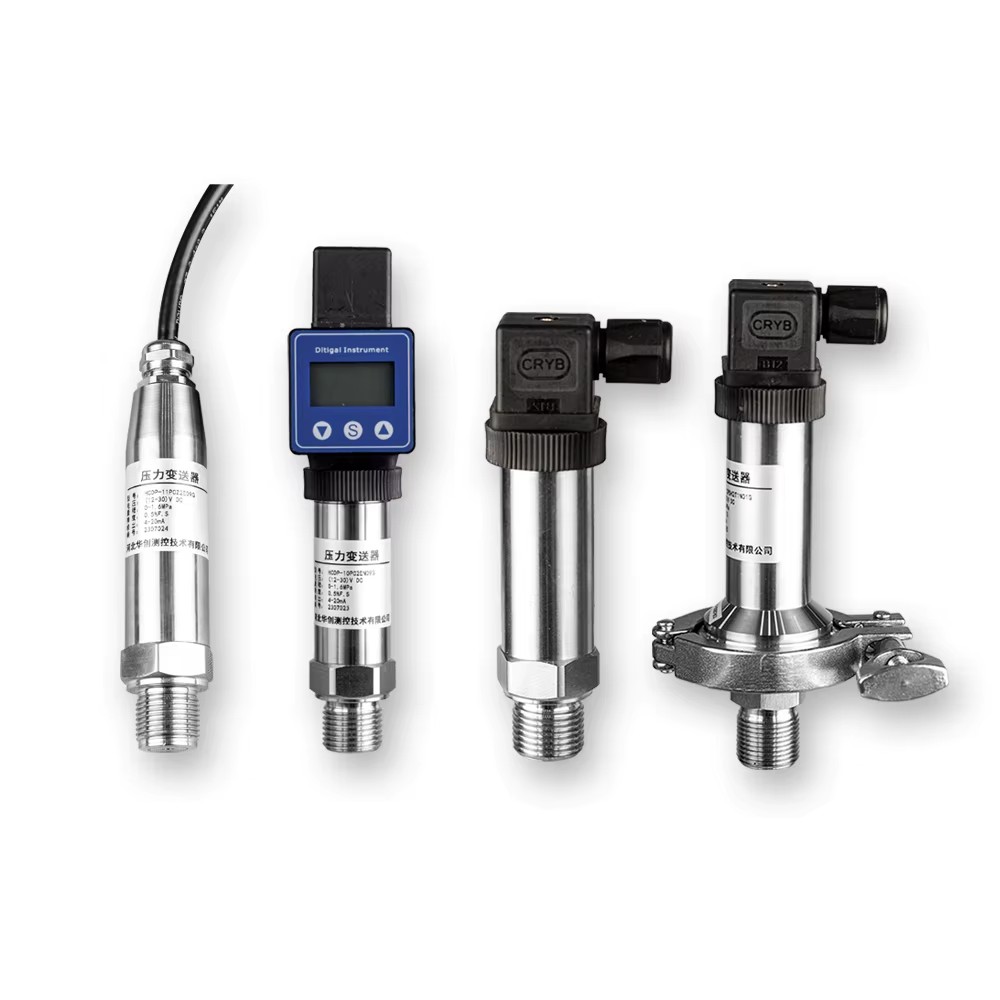
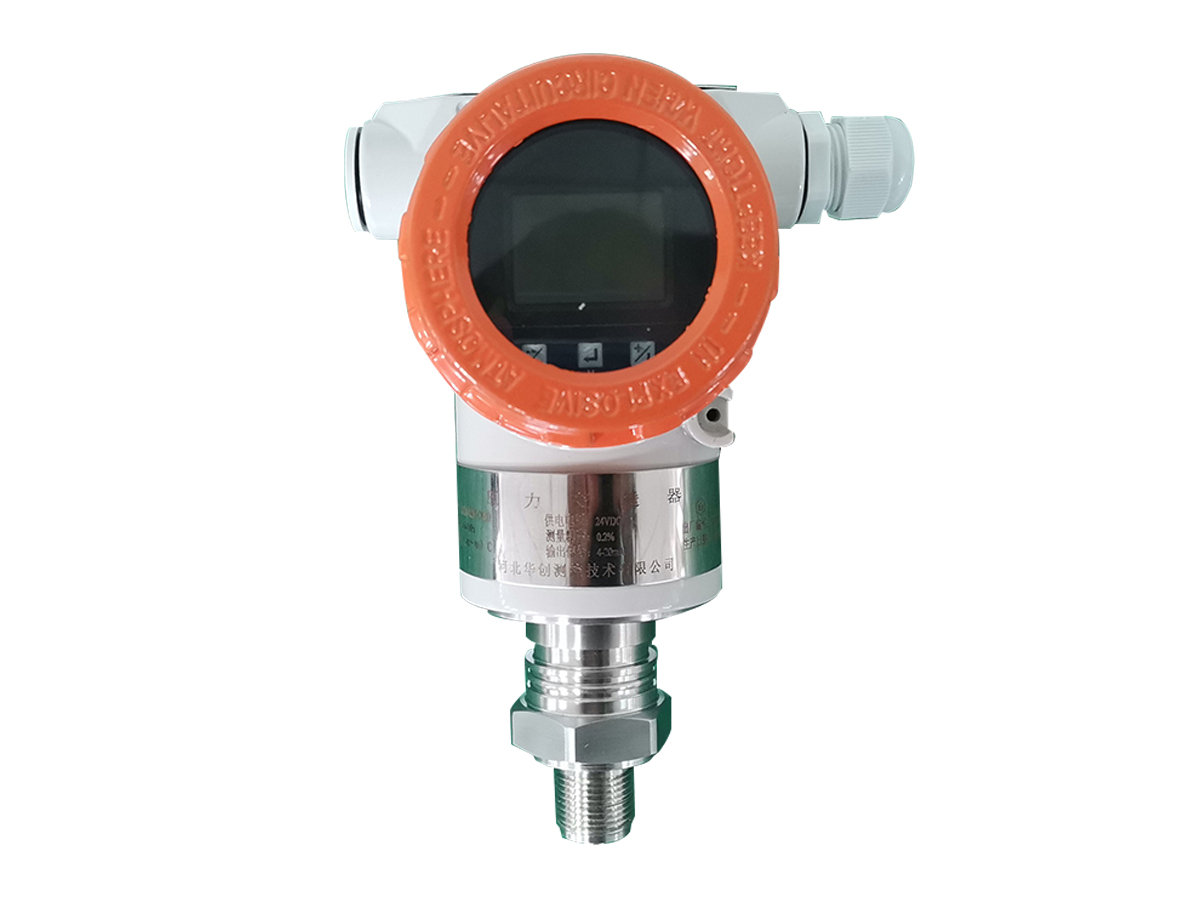
Our company independently developed the HCD-1X, HCDP-2X and HCDP-3X series of pressure and differential pressure transmitters. The core structure includes the pressure sensing core body diaphragm, signal conversion circuit board, digital display head and housing components. Among them, the diaphragm is the core sensing component that directly contacts the measured medium. The material and structure selection of the diaphragm directly determine the measurement accuracy, corrosion resistance, anti-interference ability and overall service life of the transmitter.
Taking into account the material properties, structural forms and actual industrial conditions, the following detailed explanations are provided on the common types of diaphragms used in pressure transmitters, their performance characteristics, and the professional selection principles. These will serve as precise references for selecting diaphragms for various industrial scenarios.
1. Classification by Material: Adaptation to Different Medium Characteristics
The core consideration for selecting the material of the diaphragm is the corrosiveness of the medium, the working temperature, and the wear resistance. The performance, limitations, and applicable scenarios of diaphragms made of different materials are as follows:
316L stainless steel diaphragm
Key features: Resistant to common weak acid and alkaline media such as dilute hydrochloric acid and 10% dilute sulfuric acid. High mechanical strength, good structural stability. Suitable operating temperature range: -200℃ to 350℃. Moderate cost and excellent value for money.
Applicable limitations: Not resistant to corrosion by concentrated nitric acid, aqua regia, molten strong alkali, and chlorine (a halogen medium).
Applicable scenarios: Pressure measurement conditions for weakly corrosive chemical media such as water, oil products, steam, ethanol, dilute ammonia water, etc., as well as for conventional ordinary gases such as air and nitrogen.
2. Hastelloy alloy diaphragms
Common models include C-276 (the mainstream model), C-22, B-2, etc.
Performance features: It possesses excellent resistance to corrosion, capable of stably adapting to strong corrosive media such as concentrated hydrochloric acid, concentrated sulfuric acid, phosphoric acid, and various chlorinated substances. Its oxidation resistance is much better than that of 316L stainless steel. The applicable temperature range is -200℃ to 550℃. It has outstanding high-temperature resistance and anti-aging properties.
Applicable limitations: The product has a high cost and is not resistant to corrosion by fluorine-containing media such as hydrofluoric acid.
Applicable scenarios: For harsh working conditions in wet metallurgy, chemical reaction vessels, etc., where there are strong corrosive acid solutions and corrosive slurries.
3. Titanium and titanium alloy diaphragms (Ti)
Key features: Excellent corrosion resistance to seawater, sodium hydroxide solutions, and nitric acid media. The material has a low density and significant lightweight advantages. The applicable temperature range is -153℃ to 285℃.
Applicable Limitations: Exposure to hydrogen fluoride, concentrated hydrochloric acid, and concentrated sulfuric acid media may lead to hydrogen embrittlement, resulting in damage to the diaphragm.
Applicable scenarios: Monitoring of seawater pressure in marine engineering, measurement of pressure in caustic soda solutions in the chlor-alkali industry, and pressure measurement in various nitric acid media.
4. Tantalum Diaphragm (Ta)
Key Performance Characteristics: The corrosion resistance is comparable to that of platinum, and it can withstand the corrosion of most strong acid media (except hydrofluoric acid and fuming sulfuric acid). The applicable temperature range is -169℃ to 250℃, and its chemical stability is extremely strong.
Applicable limitations: The material is relatively soft, prone to being scratched by external forces. The product has a high cost and is not resistant to strong alkalis and fluorine-containing media corrosion.
Applicable scenarios: Pressure measurement conditions for high-concentration sulfuric acid (98% or above), concentrated hydrochloric acid, concentrated phosphoric acid and other highly corrosive acids in fertilizer production and fine chemical industries, as well as reaction equipment.
5. Ceramic Diaphragms (Al₂O₃, ZrO₂)
Key Performance Characteristics: Extremely chemically inert, capable of withstanding corrosion by most acid and alkali media (except hydrofluoric acid and highly concentrated strong alkalis), the surface of the diaphragm is smooth and flat, and it is not prone to scaling or adhering to media. The applicable temperature range for ordinary ceramics is -40℃ to 100℃, while special ceramics can be adapted for higher temperature conditions.
Applicable limitations: The material has high brittleness, poor resistance to impact and vibration, and is not suitable for high-pressure wear conditions containing solid particles. It is prone to damage and cracking.
Application scenarios: Suitable for hygiene-level conditions in industries such as food and beverage, pharmaceuticals, etc. It can effectively prevent medium contamination and is also compatible for measuring clean liquids with weak corrosivity such as sewage and fruit juice.
6. PTFE (Polytetrafluoroethylene) lined diaphragm
Key features: Known as the "King of Plastics", it can withstand corrosion from almost all chemical substances, has extremely strong corrosion resistance, operates within a temperature range of -100℃ to 200℃, and has a relatively low production cost.
Applicable limitations: Low mechanical strength, prone to deformation, relatively limited measurement accuracy, only applicable to low-pressure conditions of 1 MPa or below.
Application scenarios: Suitable for laboratory small-scale reaction vessels, electroplating tanks and other strong corrosive low-pressure medium conditions. It can also be used in food-grade conditions to prevent metal medium contamination.
II. Classification by Structure: Matching Pressure Range and Medium State
Based on the differences in the structure form of the diaphragm, it can be adapted to different pressure levels and different medium states (clean, viscous, containing particles, prone to crystallization, etc.) of industrial conditions. The specific classification and adaptation scenarios are as follows:
Flat diaphragm
Structural features: It adopts a planar contact structure, with the diaphragm directly in contact with the measured medium. The pressure response speed is sensitive and the feedback is precise.
Adaptation advantages: It is less likely to cause medium retention and blockage, and is suitable for clean media without impurities and with high viscosity.
Applicable scenarios: Pressure measurement for low-pressure conditions of 1 MPa or less, including viscous media such as syrup and ink.
2. Convex Diaphragm
Structural Feature: The center of the diaphragm is designed with a convex shape, which effectively expands the pressure-bearing and force-receiving area. The overall resistance to deformation and high-pressure capacity has been significantly enhanced.
Adaptation advantages: Excellent pressure-bearing performance, strong structural stability, and capable of withstanding high-pressure impacts for a long time.
Application scenarios: Suitable for high-pressure conditions up to 40MPa, widely used in hydraulic systems, high-pressure transportation pipelines and other equipment.
3. Oil-filled isolation diaphragm
Structural feature: A special silicone oil is filled between the diaphragm and the internal sensor. The pressure is transmitted through the silicone oil to achieve complete isolation between the medium and the sensor body.
Adaptation advantages: It possesses the properties of corrosion resistance, no clogging, and no crystallization, which can effectively protect the core sensing element and extend the service life of the equipment.
Applicable scenarios: Chemical slurries, industrial wastewater, salt solutions, etc., involving complex conditions with suspended particles, prone to crystallization and precipitation.
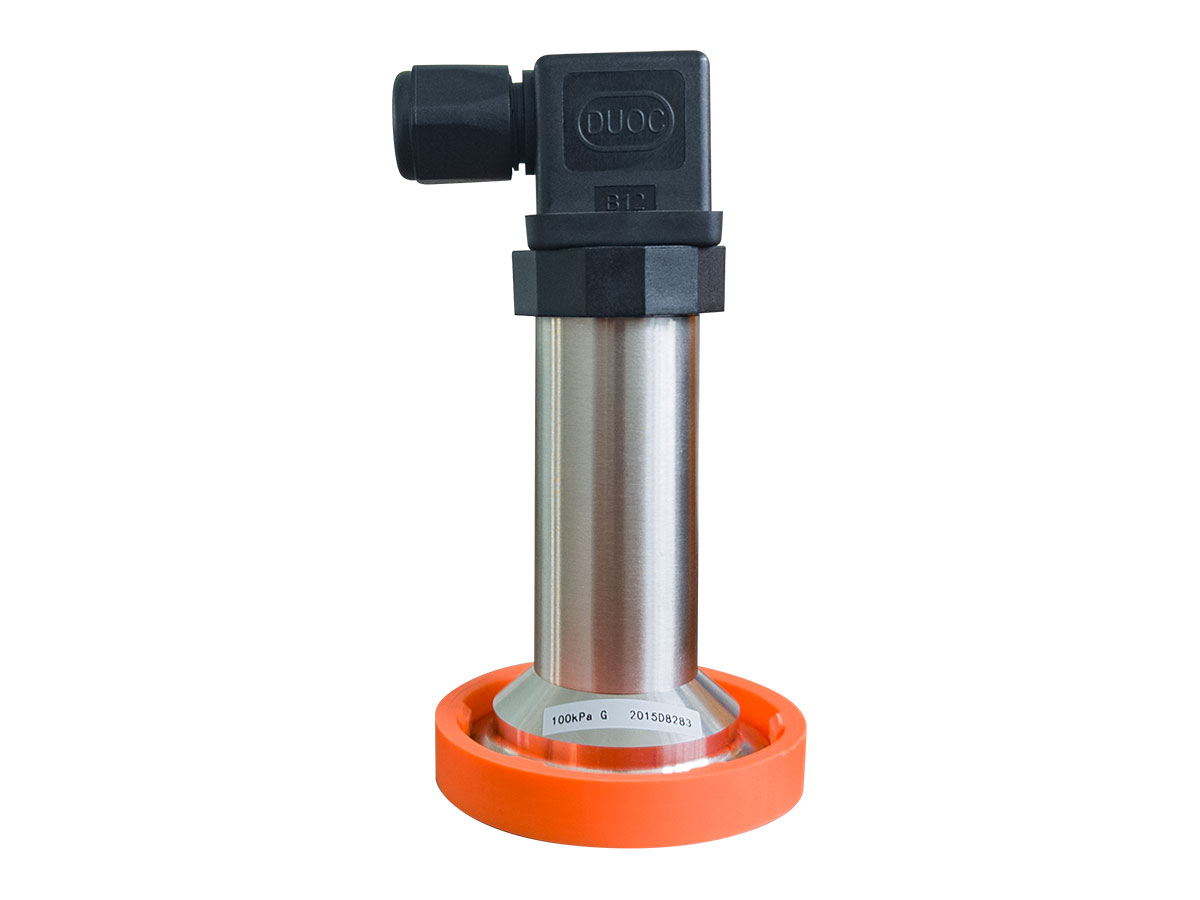
4. Hygienic diaphragm
Structural features: The surface of the diaphragm is precisely polished, with a roughness of Ra ≤ 0.8 μm. There are no dead corners or residues. It supports high-temperature steam sterilization and online cleaning.
Adaptation advantages: Fully compliant with GMP production standards for the food and pharmaceutical industries, eliminating residue of media and cross-contamination.
Application scenarios: Food and beverage production lines for products such as milk and juice, as well as hygiene-level conditions for biopharmaceutical fermentation tanks and sterile reaction equipment.
III. Core Selection Principles for Diaphragm
Overall, following the core logic of "medium characteristics → precise material matching → structural working condition adaptation → cost optimal balance", the selection process is carried out step by step to ensure accurate measurement and stable operation.
Step 1: Define the core operating parameters of the medium
Carefully identify and list the four key parameters as the basis for selection: First, the corrosiveness of the medium, clearly specifying the type of medium (acid, alkali, salt, organic solvent) and its concentration parameters; second, the working temperature, confirming the temperature range for the long-term operation of the equipment; third, the medium state, determining whether the medium is viscous, contains solid particles, or is prone to crystallization and precipitation; fourth, the working pressure, differentiating between low pressure (≤1MPa) and high pressure (≥10MPa) conditions.
Step 2: Balance the use of cost and equipment reliability
For weakly corrosive media such as water, gas, and oil, 316L stainless steel diaphragms are preferred, taking into account both performance and cost-effectiveness; for low-pressure environments with strong corrosion, PTFE-lined diaphragms can be selected to reduce equipment investment costs; for extremely harsh conditions such as strong corrosion, high temperature, and high pressure, Hastelloy alloys and tantalum materials are preferred to ensure the long-term stable operation of the equipment and reduce maintenance costs and failure rates.
Step 3: Matching special operating conditions
For food and pharmaceutical production processes with requirements for sterility and no contamination, the polished and residue-free sanitary-grade diaphragms must be selected; in processes with frequent vibration and external force impacts during equipment operation, metal diaphragms should be preferred to avoid the risk of brittle cracking of ceramic diaphragms; for processes with high explosion-proof grade requirements, metal diaphragms corresponding to the explosion-proof grade must be selected to meet safety production standards.
IV. Reference for Selection Examples
Operating conditions: A chemical plant. The tested medium is 50% sulfuric acid, the working temperature is 80℃, the medium contains a small amount of crystalline impurities, and the working pressure is 0.5 MPa.
Selection logic:
The medium is 50% concentrated sulfuric acid, which is extremely corrosive. 316L stainless steel is not suitable for this application. Therefore, the Hastelloy C-276 material with excellent corrosion resistance should be selected.
2. The medium contains a small amount of crystals, which can easily clog the sensing area. Therefore, an oil-filled isolation diaphragm structure is adopted to achieve protection against crystallization and clogging.
3. A working pressure of 0.5 MPa represents a low-pressure condition. It is equipped with a flat diaphragm structure, ensuring the speed of pressure response and measurement accuracy.
Final selection: Pressure transmitter with flat diaphragm and isolation structure, made of Hastelloy C-276 material.
If you have any needs, please contact us!
Contact number: 19931378277

+8615027566496

South of Puhui Street, west of Guangsheng East Road, High tech Zone, Fengnan District, Tangshan City, Hebei Province

Friendship link